
Safety Notes
Respect The Machine
Automotive work rewards patience, preparation, and clean execution. These safety notes help AutoVora drivers handle parts, tools, lighting, brakes, suspension components, electronics, and maintenance work with a sharper mindset before the vehicle returns to the road.
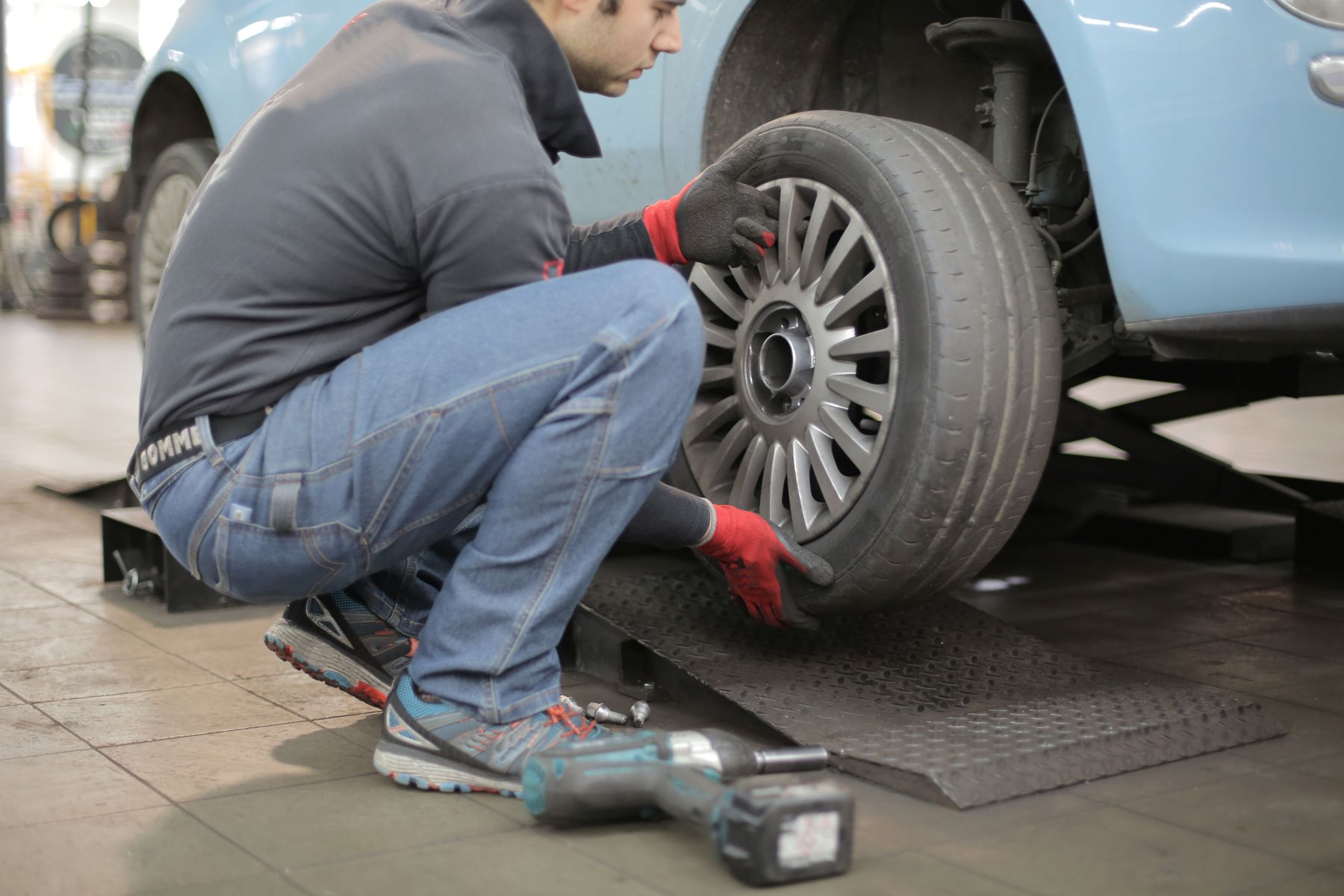
Build a safer work zone
Auto parts can involve weight, pressure, heat, electrical current, moving assemblies, sharp edges, and road-critical systems. Always follow the vehicle manufacturer’s service information, use appropriate equipment, and pause the job if a procedure feels unclear.
Never rely on a jack alone
Use approved lift points, rated jack stands, wheel chocks, and stable ground before reaching under the vehicle or removing load-bearing parts.
Control the circuit
Disconnect the battery when service information calls for it, keep connectors dry, avoid damaged wiring, and test lights or electronics before final reassembly.
Treat stopping power seriously
Keep friction surfaces clean, avoid fluid contamination, confirm pedal feel, and do not drive until the brake system has been properly checked.
Respect stored energy
Springs, struts, shocks, and air suspension parts can hold force. Use proper tools and professional help when compression or calibration is required.
Clean tools. Clear floor. Controlled hands.
A safe install bay is deliberate. Keep fasteners organized, route cords away from walk paths, use lighting that reveals fluid leaks and damaged wiring, and keep hot parts, rotating assemblies, and sharp brackets away from unprotected hands.
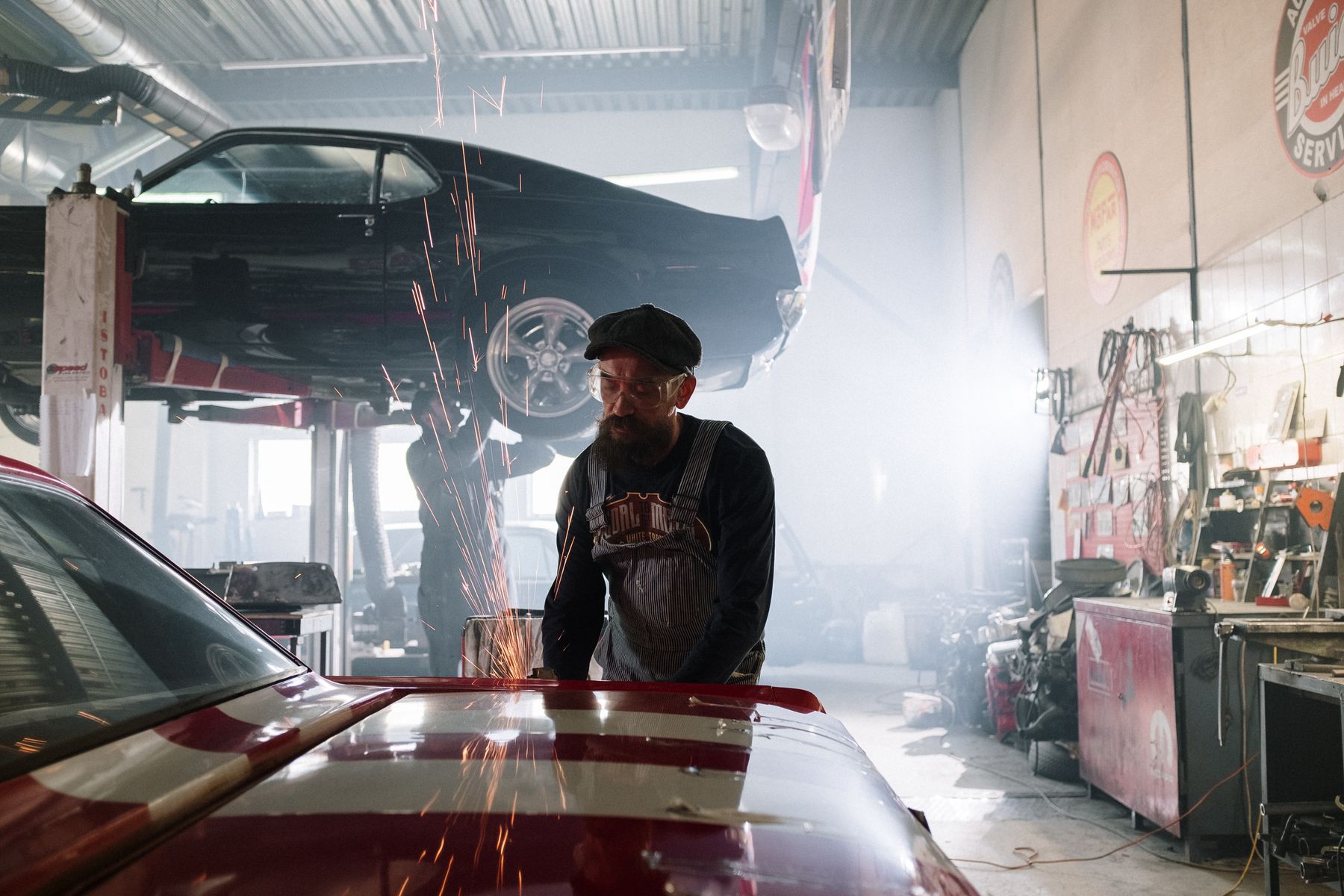
Know the risk points
Every part category has different safety demands. Use these notes as a practical overview, then follow the correct service procedure for the exact vehicle, part type, and installation location.
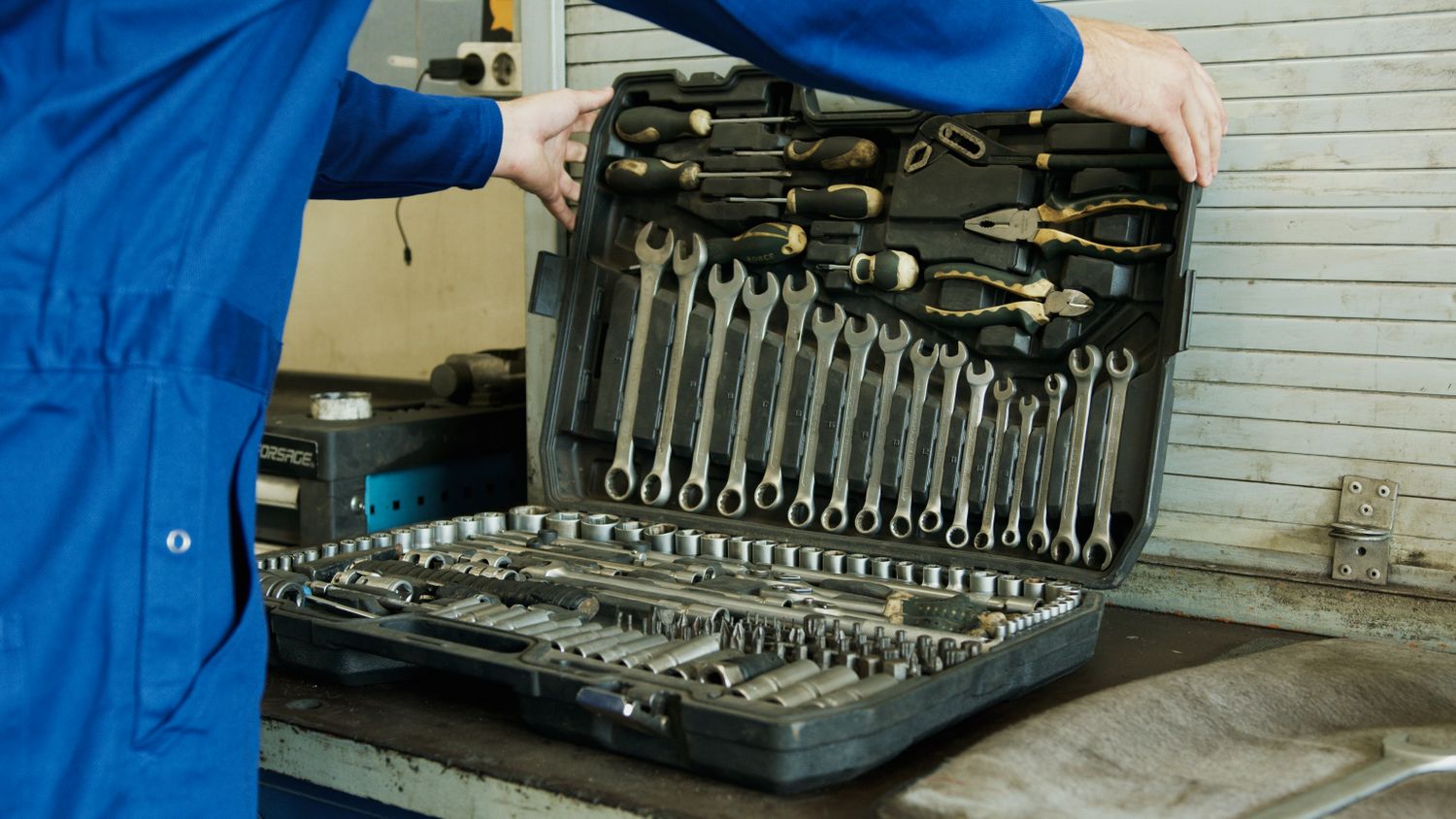
Brakes and wheels
Confirm the vehicle is stable, clean hub surfaces, avoid grease on friction material, torque wheel hardware correctly, and check brake feel before road use.

Lighting and electronics
Protect connectors, avoid pinched wires, keep seals seated, test every lighting function, and confirm aim or calibration needs before night driving.
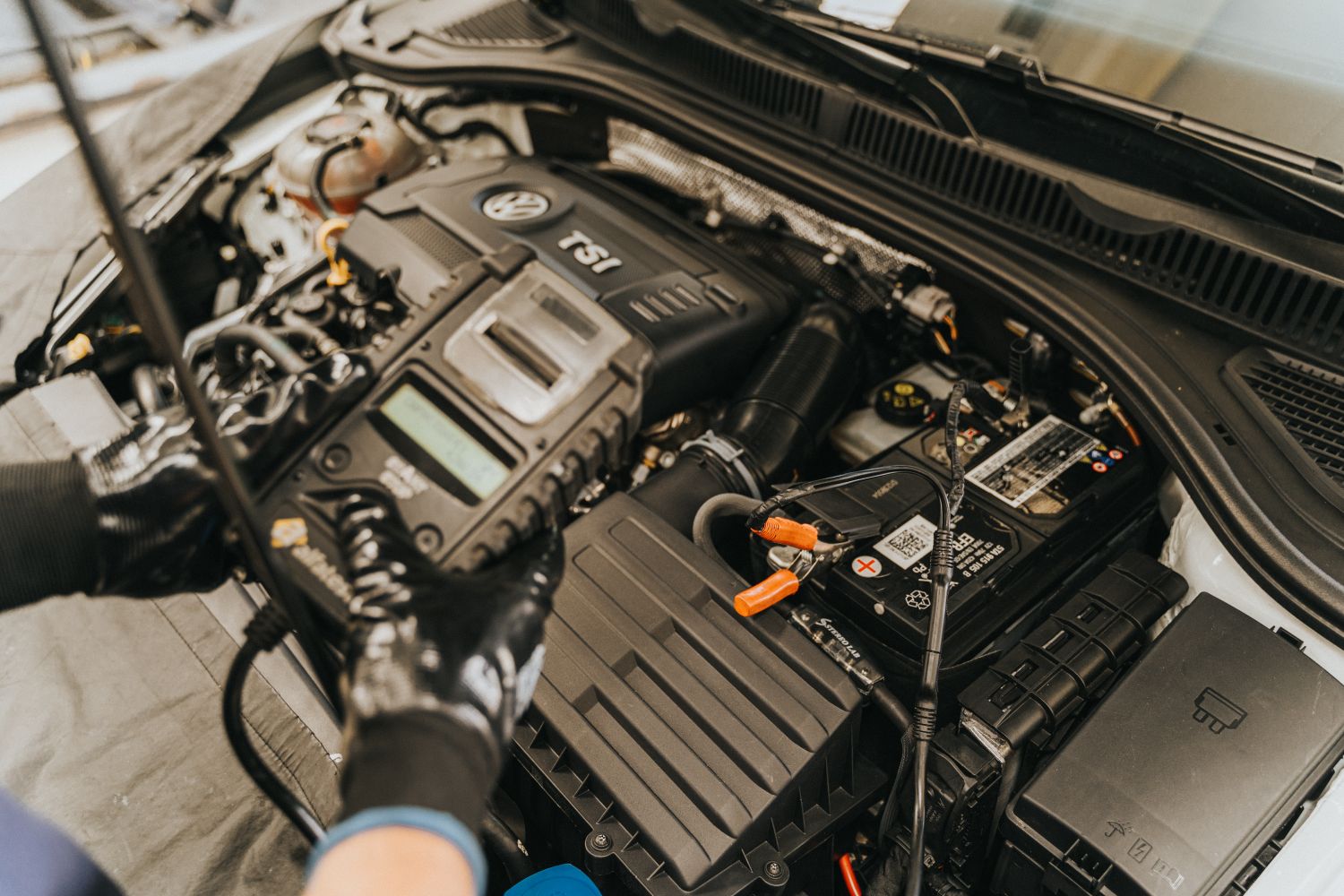
Engine bay service
Let hot components cool, keep debris away from open housings, check fluid routing, secure clamps, and inspect for leaks after startup.
Pause when something feels off
Ask before forcing the install.
When fitment, part position, connector shape, shipping status, or category selection is unclear, reach AutoVora before pushing the job forward. Clear information helps prevent unnecessary rework and keeps the repair path cleaner.
Before road testing
Final checks matter. A vehicle should not be driven until installed parts are secure, related systems operate normally, and any required alignment, bedding, bleeding, aiming, or calibration process has been handled.
Should I road test immediately?
Only after a full static check. Verify fasteners, leaks, lights, brake feel, warning indicators, steering response, and unusual movement first.
When should a professional inspect it?
Use professional service for unclear procedures, brake hydraulics, compressed springs, air suspension, structural parts, wiring faults, or calibration needs.
Can old hardware be reused?
Only when the service procedure allows it. Some fasteners, clips, seals, gaskets, and torque-to-yield hardware should be replaced.
What if a warning light appears?
Stop and inspect the system before continuing. Warning lights may point to wiring, sensor, fluid, calibration, or installation issues.
Safety is part of the build.
AutoVora supports drivers who take the details seriously: the correct part, a prepared workspace, careful handling, verified installation, and a cleaner return to the road.